Most of the people who consult me have serious problems with the quality of their daily lives, because of early childhood abuse, neglect or abandonment. Their problems most often show up a “couples therapy” problems; or “affect regulation” difficulties, including problems of anger management, anxiety, including social anxiety; or grief, depression and low mood generally.
I specialise in helping individuals who are so badly affected by early childhood trauma, or later challenges, that the quality of their life is seriously compromised. Those individuals know they are going to have to invest a significant amount of time, energy, mental activity, and money, in order to clean up their past history of compromised functioning in terms of thinking, feeling and/or relating to others.
This is a psychological coaching process, with biological elements; not primarily counselling as we understand it. (The biological elements do not involve any form of touch between me and my clients!) And the ultimate aim is to restore levels of happiness and a sense of improved well-being.
I begin from the position that such individuals do not have a developed narrative of who they are and how they got to where they are in their lives. So, therefore we need to begin by using questionnaires to explore some of the key factors which my experience taught me are the most salient in such cases. The two most important questionnaires that I often use help me to collect information about your personality tendencies, and your lifestyle self-management tendencies.
Once I have processed your questionnaires, I will set up a meeting to discuss what I learned from your questionnaires. And during that consultation I will do some informal assessment, and offer some valuable insights.
After our meeting, I will spend about three hours, reflecting upon, and writing about, what I have learned about the roots of your current problems. This will result in a written report, with insights and recommended actions to take to move your life forward. Then, I will send two or three follow-up psycho-educational documents, at intervals of at least four weeks, so as not to overload you. Those follow-up documents will contain key aspects of the immediate solutions to the problems we discussed.
For this service, I charge five hours of professional labour at £90.00 GBP per hour, which must be paid before I send the questionnaires.
To begin the enrolment process, please send me an email outlining:
Your major difficulty;
Your main goal in relation to that difficulty;
Your commitment to studying my report and follow-up documents, and implementing my recommendations diligently for a significant period of time.
If you live too far from my home base, we can meet over Microsoft Teams, using Internet video call.
But if you live near Hebden Bridge, West Yorkshire, we can meet face to face at my home base.
My name is Jim Byrne, and I am a recovered victim of childhood development trauma, which seriously impaired my cognitive, emotive and social relationship skills development, well into my thirties!
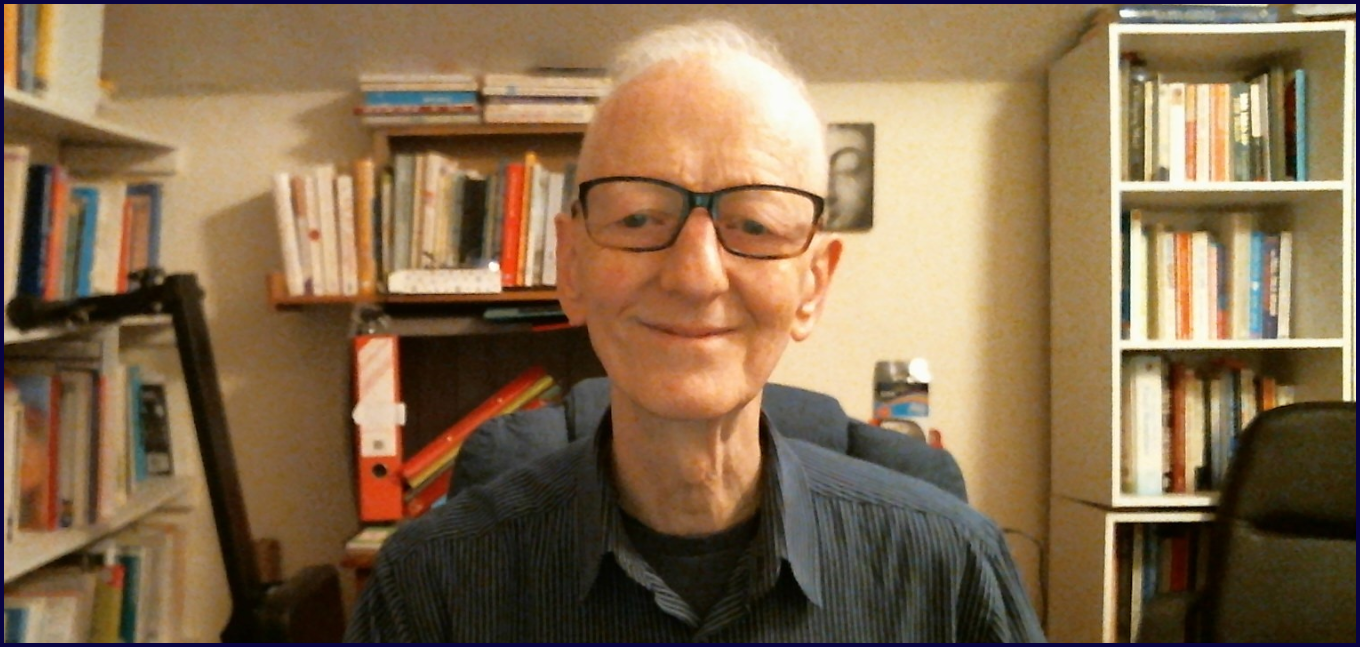
Dr Jim Byrne, Doctor of Counselling, at age 80 years young, demonstrating self-managed well-being in practice. 29th October 2026: “I am happy because I have just had a lovely tiffin date with Renata, my wife, life partner, friend, and professional colleague of more than 40 years; followed by a walk in the park!”
I have a Professional Doctorate in Counselling from the University of Manchester – despite leaving school at age 14 with a Primary Cert.
I have a master’s degree in education (MA.Ed) from the Open University UK – despite not commencing college until I was 27 years old.
I have a Diploma in Counselling Psychology and Psychotherapy, with an A-star Distinction – despite not beginning to study psychology until I was about 34 years old.
And I have more than 28 years’ experience of helping more than 1400 individuals with all kinds of problems of daily living: emotional, behavioural and relational.
My consultancy approach is based on philosophy, psychology, the biology of stress and trauma, neuroscience, affect regulation theory, dialectical behaviour therapy, and critical thinking skills.
If you need my help, are willing to invest a considerable amount of time, energy and money into cleaning up your past life, and you know you can learn effectively from reading reports and other technical documents, then I can help you.

 According to Albert Einstein, the definition of insanity is to continue to do what you have always done, and to expect better or different outcomes.
 I specialise in helping individuals who are so badly affected by early childhood trauma, or later challenges, that the quality of their life is seriously compromised. Those individuals know they are going to have to invest a significant amount of time, energy, mental activity, and money, in order to clean up their past history of compromised functioning in terms of thinking, feeling and/or relating to others.
 Once I have processed your questionnaires, I will set up a meeting to discuss what I learned from your questionnaires. And during that consultation I will do some informal assessment, and offer some valuable insights.
 For this service, I charge five hours of professional labour at £90.00 GBP per hour, which must be paid before I send the questionnaires.
 My consultancy approach is based on philosophy, psychology, the biology of stress and trauma, neuroscience, affect regulation theory, dialectical behaviour therapy, and critical thinking skills.


